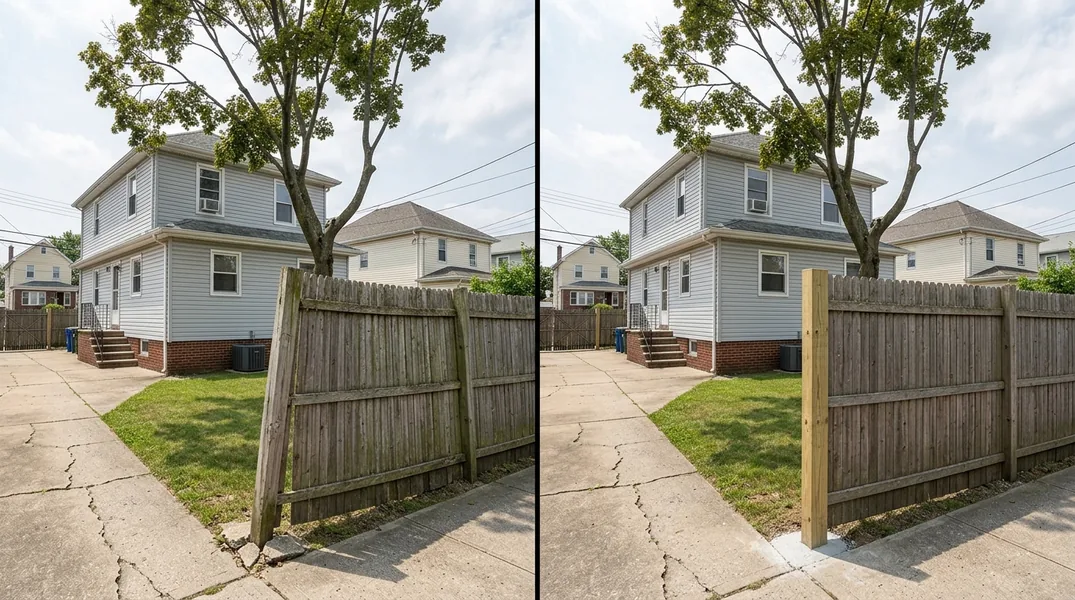
Understanding Fence Responsibility on Property Lines in New York
One of the most common questions homeowners ask is: who pays for a fence between neighbors? The answer in New York City and throughout the state isn't always straightforward, but understanding your rights and responsibilities can save you thousands of dollars and prevent neighborhood disputes. Property line fences are a shared boundary, and New York State has specific laws that govern who bears the financial responsibility for their installation and maintenance.
In New York City, the general rule is that if a fence sits directly on the property line between two properties, both neighbors typically share the cost of building and maintaining it. However, this principle isn't absolute. The specifics depend on several factors, including local ordinances, whether one neighbor initiated the fence project, and the type of fence being installed. Many homeowners are surprised to learn that they may be legally obligated to contribute to a fence's cost even if they didn't request it in the first place.
The Good Neighbor Fence Law in New York
New York State has what's known as the Good Neighbor Fence Law, which provides a framework for how neighbors should handle shared fence expenses. Under this law, if a neighbor wants to build or repair a fence on the property line, they must first notify you in writing. This notification gives you the opportunity to agree to share the cost or decline participation. If you decline, the neighbor can still build the fence, but they must bear the full cost themselves. This law exists to protect homeowners from unexpected bills and to encourage communication between neighbors.
The Good Neighbor Fence Law applies to both new fence construction and repairs to existing fences. If your neighbor approaches you about sharing fence costs, you have the right to request documentation of the project scope, materials, and pricing. It's important to respond to their written notice within a reasonable timeframe, typically 30 days. If you agree to participate, you and your neighbor should document your agreement in writing to avoid future disputes. This proactive approach can prevent costly legal battles and maintain a positive relationship with the people next door.
When One Neighbor Owns the Entire Fence
In some cases, a fence may be entirely on one neighbor's property rather than straddling the property line. This changes the responsibility equation significantly. If a fence is located entirely within your property boundaries, you are solely responsible for its construction and maintenance costs. Your neighbor has no legal obligation to contribute unless they specifically requested the fence or benefited from an agreement you made together. This is why it's crucial to have a professional survey conducted before any fence project begins to determine the exact property line.
However, even if a fence is technically on your property, your neighbor may still be liable for damages if the fence causes problems on their side, such as blocking a view easement or violating local zoning ordinances. Before investing in Wood & Privacy Fence Installation, consult with your local municipal office to understand any setback requirements or height restrictions that might apply. These regulations vary by neighborhood and district in New York City, so it's worth doing your homework to avoid costly mistakes.
Local Fence Ordinances and Property Line Requirements
New York City and surrounding areas have specific ordinances that govern fence placement, height, and materials. These local regulations can affect who pays for a fence and how it must be constructed. In most residential areas, fences cannot exceed six feet in height, though some neighborhoods have stricter limits. Additionally, fences must maintain proper setbacks from property lines, typically between zero and one foot depending on your district. Understanding these requirements before discussing fence costs with your neighbor is essential.
If you're unsure about your local fence ordinances, contact your city's Department of Buildings or your local Community Board. They can provide detailed information about what types of fences are permitted in your area and any restrictions that apply. When you and your neighbor discuss sharing fence costs, these regulations should factor into your decision. If the proposed fence violates local codes, neither of you should proceed until the design is modified. This is another reason why getting a free estimate from a professional fence installation company is valuable, as they understand local regulations and can help you navigate compliance issues.
Wood & Privacy Fence Installation Cost in New York City: What to Budget
When neighbors decide to share fence costs, understanding the total project expense is critical for budgeting and decision-making. Wood & Privacy Fence Installation costs vary based on several factors, including the fence length, height, wood quality, and site accessibility. In New York City, labor costs are typically higher than in surrounding areas due to the urban environment and local wage standards. A typical privacy fence might cost anywhere from $25 to $50 per linear foot, meaning a 100-foot fence could range from $2,500 to $5,000 or more depending on materials and complexity.
If you and your neighbor are splitting costs equally, each party would pay half of the total project cost. However, if one neighbor initiates the project and the other declines to participate, the initiating neighbor covers the full expense. This is why it's important to discuss the project thoroughly before any work begins. Get quotes from multiple fence contractors to ensure you're receiving competitive pricing. New York City Fence can provide a detailed free estimate for your specific project, helping you understand the exact costs involved before making any commitments to your neighbor.
Steps to Take Before Sharing Fence Costs with Your Neighbor
Before agreeing to split fence expenses with your neighbor, take several important steps to protect yourself legally and financially. First, have your property surveyed by a licensed surveyor to confirm the exact location of the property line. This prevents disputes about where the fence should be placed and clarifies each party's obligations. Next, get everything in writing. Your agreement should specify the project scope, materials, costs, and how expenses will be divided. Both neighbors should sign this agreement and keep copies for their records.
Additionally, verify that your neighbor has the legal right to build the fence by checking local zoning ordinances and HOA rules if applicable. Discuss the timeline for the project and establish clear expectations about the contractor's work schedule and site cleanup. It's also wise to require proof of liability insurance from whoever you hire to install the fence. If you're unsure about any aspect of the agreement, consult with a local attorney who specializes in property law. When you're ready to move forward, contact New York City Fence at (917) 994-6008 to discuss your project and receive professional guidance on the best fence solution for your situation.
Looking for a professional fence contractor in New York City? New York City Fence responds fast for all your fence needs.
Get a Free Quote