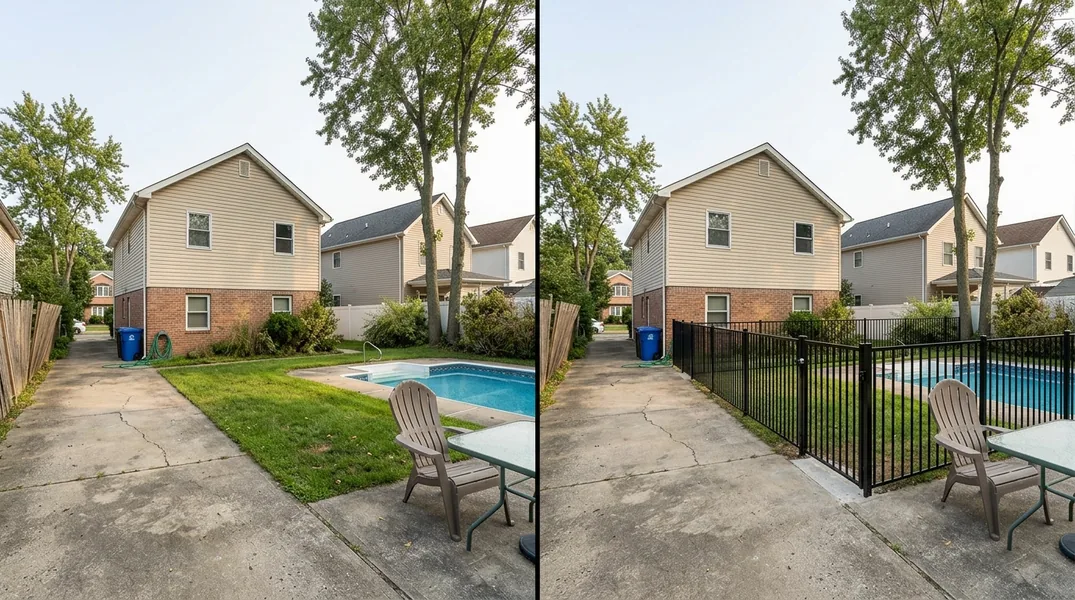
Understanding Pool Fence Code Requirements in New York State
If you own a swimming pool in New York City or the surrounding areas, installing a compliant pool fence is not just a good idea, it's a legal requirement. New York State has strict pool fence code requirements designed to prevent accidental drowning, particularly among young children. These regulations apply to both residential and commercial properties with in-ground or above-ground pools, and understanding them before you begin any installation project is essential.
The primary purpose of pool fence codes is to create a complete barrier between the pool area and the rest of your property. This means your pool cannot be accessible to unauthorized users, especially unsupervised children. New York State's regulations are based on the American Society for Testing and Materials (ASTM) standards, which ensure that fences meet specific safety criteria. Before you hire a contractor or purchase materials, take time to review your local municipal codes, as some areas within New York City may have additional requirements beyond state minimums.
Pool Fence Height Requirements: Meeting the Legal Standard
One of the most critical specifications in any pool fence installation is the pool fence height requirements. New York State mandates that a pool fence must be at least four feet tall, measured from the ground level on the pool side of the fence. This height requirement exists because research shows that a four-foot barrier significantly reduces the risk of unauthorized entry, particularly for young children who may wander into the pool area unsupervised. If your pool sits on sloped terrain, you'll need to measure the height from the highest point of ground elevation adjacent to the pool.
Beyond the basic four-foot minimum, the spacing between vertical elements of your fence is equally important. Vertical pickets or boards cannot be spaced more than four inches apart. This prevents a child's head from becoming wedged between fence components. Horizontal rails must also follow strict spacing rules, with no more than four inches of space between any two horizontal members. When you're considering Wood & Privacy Fence Installation for your pool area, ensure that your contractor understands these precise measurements, as improper spacing can result in code violations and safety hazards.
Self-Closing Pool Gate Requirements and Installation Standards
A self-closing pool gate is perhaps the most important component of your pool fence system. New York State requires that any gate providing access to the pool area must be self-closing and self-latching. This means the gate should automatically swing closed and latch securely without requiring manual intervention. The latch mechanism must be installed on the pool side of the gate, positioned at least 54 inches above ground level, which places it out of reach of most children. The gate itself must also open away from the pool, creating an additional barrier to accidental entry.
The self-closing mechanism should function smoothly in all weather conditions, including cold winters common to the region. Springs or hydraulic closers are typically used to achieve this functionality. The latch should require a minimum of five pounds of force to operate, preventing young children from easily opening it. Additionally, the gate cannot remain open for more than a few seconds, and it must close completely without manual assistance. When planning your pool fence installation, work with experienced contractors who understand these requirements and can install gates that meet or exceed code standards.
Additional Barriers and Safety Considerations Beyond the Fence
While a properly installed pool fence is the primary barrier, New York State recognizes that multiple layers of protection are most effective in preventing pool accidents. In addition to your perimeter fence, you should consider installing a removable safety barrier on the pool deck itself, such as a four-sided removable fence that surrounds the pool water itself. This creates a second line of defense and is particularly valuable if your main fence becomes compromised or if someone intentionally bypasses it.
Other recommended safety measures include installing an approved pool alarm system that detects when someone enters the water, using a rescue tube or ring nearby, and ensuring that all adults supervising the pool are trained in CPR and water rescue. Your pool area should also have clear signage indicating water depth, emergency contact numbers, and any pool rules. When you're ready to move forward with installation, discuss these additional safety layers with your contractor. Whether you're installing Chain Link Fence Installation or another material, combining your fence with these supplementary measures creates a comprehensive safety system.
Choosing the Right Material for Your Pool Fence Installation
The material you select for your pool fence installation will affect both the durability of your barrier and its ability to meet code requirements. Wood is a popular choice for residential pools because it provides privacy and aesthetic appeal while meeting all height and spacing specifications. However, wood requires regular maintenance in the humid climate around New York City, including staining, sealing, and inspection for rot or damage that could compromise the fence's integrity.
Vinyl and PVC materials have become increasingly popular for pool installations because they resist moisture damage, require minimal maintenance, and can easily achieve the required spacing and height standards. Chain link fencing is another durable option that's often more affordable and provides clear visibility of the pool area, though some homeowners prefer the privacy of solid materials. Regardless of which material you choose, ensure that your installation contractor has experience with pool fence specifications and understands the local codes. If you're uncertain about which material best suits your property and budget, contact New York City Fence at (917) 994-6008 to discuss your options and receive a free estimate for your pool fence project.
Working with Local Contractors: What to Ask Before Installation
Before hiring any contractor for your pool fence installation, ask specific questions to ensure they understand and will comply with all New York State requirements. Request proof of their experience with pool fence installations and ask for references from previous customers. Confirm that they're familiar with the four-foot height requirement, the four-inch spacing standards for both vertical and horizontal components, and the self-closing gate specifications. A reputable contractor should be able to explain these requirements without hesitation and provide documentation of their compliance with local codes.
Ask your contractor whether they handle permit applications and inspections, as many municipalities require a permit before pool fence installation begins. Some contractors include this in their service, while others expect the homeowner to handle it independently. Clarify the timeline for your project, the warranty on materials and workmanship, and what happens if the installation fails inspection. Get everything in writing, including the final scope of work, materials to be used, and total pricing. If you're ready to move forward with a qualified professional, New York City Fence has extensive experience with pool fence installations throughout the region. Reach out today for a consultation and free estimate tailored to your specific property needs.
Looking for a professional fence contractor in New York City? New York City Fence responds fast for all your fence needs.
Get a Free Quote