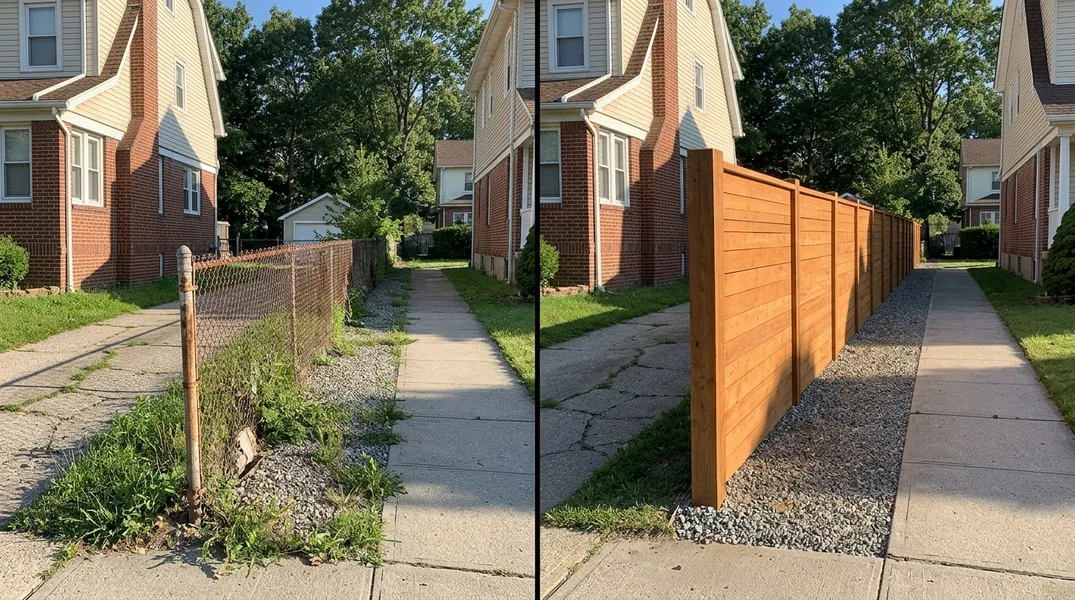
How Long Does a Wood Fence Last in New York City?
If you've invested in a wood fence for your property in New York City, you're probably wondering how many years you can expect it to stand strong. The answer depends on several factors, but most homeowners can expect a well-maintained wood fence to last between 15 and 20 years. Some fences may reach 25 years with exceptional care, while others might show significant wear after just 10 to 12 years if neglected or exposed to harsh conditions.
The Wood & Privacy Fence Installation industry recognizes that climate, maintenance, wood type, and installation quality all play critical roles in determining how long your fence will remain structurally sound and visually appealing. New York City's unique environment, with its freeze-thaw cycles, salt air exposure near coastal areas, and high humidity, creates specific challenges that can accelerate fence deterioration if you're not proactive about upkeep.
Environmental Factors That Affect Wood Fence Lifespan
Living in New York City means your wood fence faces environmental stressors that homeowners in milder climates simply don't encounter. The region's cold winters cause water to penetrate wood fibers and freeze, expanding and contracting the material in a cycle that weakens structural integrity over time. Spring thaw periods can leave standing water around fence posts, accelerating rot development in the lower sections where wood is most vulnerable.
Summer humidity and occasional salt spray from nearby coastal areas create additional challenges. Salt can corrode metal hardware and accelerate wood decay, while consistent moisture from humidity promotes fungal growth and mold. UV rays from the sun fade and dry out wood surfaces, causing checking and splitting. If your fence doesn't receive regular maintenance like staining or sealing, these environmental factors can reduce its effective lifespan by several years. The combination of these conditions means that proactive care is not optional if you want your fence to reach the 15 to 20 year mark.
Signs You Need a New Fence: When to Replace It
Recognizing the warning signs that your wood fence is failing will help you decide whether repair or replacement makes sense. One of the earliest indicators is visible rot, which typically appears as soft, discolored wood that feels spongy when you press on it. Rot usually starts at ground level where wood contacts soil and moisture, but it can spread upward quickly if left untreated. If more than 10 to 15 percent of your fence shows rot damage, replacement is often more cost-effective than attempting extensive repairs.
Leaning or wobbly sections are another red flag that structural failure is imminent. This typically happens when fence posts have rotted beneath the soil line or when the concrete footings have shifted. A fence that leans poses safety risks and will only worsen with time and weather exposure. Similarly, if you notice large sections of missing boards, extensive splitting, or metal hardware that's rusted through, your fence has likely reached the end of its functional life. Pest damage from termites or carpenter ants is also a serious concern that may warrant full replacement rather than targeted repairs.
Paint or stain that's peeling extensively, combined with gray weathering and surface cracks, indicates that your fence's protective barrier has failed. While a fresh coat of finish can temporarily improve appearance, if the underlying wood is already compromised, cosmetic treatment won't extend the fence's lifespan significantly. When you start noticing multiple issues across different sections of your fence, it's time to contact New York City Fence for a free estimate to evaluate whether replacement is the right choice for your property.
Extending Your Wood Fence Lifespan Through Maintenance
The difference between a fence that lasts 10 years and one that reaches 20 years often comes down to maintenance. Regular staining or sealing is the single most important step you can take to protect your wood investment. A quality stain or sealant creates a protective barrier that repels water, reduces UV damage, and prevents mold and mildew growth. Most experts recommend resealing your fence every 2 to 3 years, depending on the product used and your local weather conditions. In New York City's climate, you may need to refresh your finish more frequently due to the region's moisture and temperature fluctuations.
Beyond sealing, regular inspection and minor repairs can prevent small problems from becoming major issues. Walk your fence line at least twice a year, checking for loose boards, damaged posts, and signs of rot or pest damage. Tighten any loose hardware, replace individual damaged boards promptly, and address soft spots immediately. Keep vegetation trimmed away from your fence to improve air circulation and reduce moisture retention. Ensure that water drains properly around fence posts rather than pooling, and consider installing gravel or improving drainage at the base to prevent water accumulation. These preventive measures cost far less than replacing an entire fence and can easily add years to its lifespan.
Wood & Privacy Fence Installation Near Me: When to Call a Professional
If you've determined that your fence has reached the end of its life, or if you're considering replacing an aging fence before it fails completely, it's time to consult with experienced professionals. New York City Fence specializes in Wood & Privacy Fence Installation and can help you select materials and designs that will maximize durability in the local climate. A professional installation ensures that posts are set at proper depth with quality concrete footings, which is critical for achieving the 15 to 20 year lifespan that wood fences can provide.
The team at New York City Fence understands the specific challenges of installing fences in New York City's dense urban environment, including navigating property lines, working with existing structures, and meeting local building codes. When you're ready to move forward, call (917) 994-6008 or visit our website for a free estimate. We'll assess your current situation and provide honest recommendations about whether repair, partial replacement, or a complete new installation makes the most sense for your budget and property needs.
Comparing Wood Fences to Other Materials: Lifespan and Durability
While wood fences offer natural beauty and traditional appeal, it's worth considering how their lifespan compares to alternative materials. Vinyl & PVC Fence Installation options can last 20 to 30 years or more with minimal maintenance, making them attractive for homeowners seeking a longer-term solution. However, vinyl carries a higher upfront cost and may not suit all architectural styles or property aesthetics. Chain Link Fence Installation can last 15 to 20 years depending on galvanization quality, while Aluminum & Ornamental Iron Fencing typically lasts 20 to 30 years with proper maintenance.
The choice between wood and alternatives depends on your priorities. If you value the warmth and natural appearance of wood and are willing to commit to regular maintenance, a wood fence remains an excellent choice with a reasonable lifespan for New York City properties. If you prefer minimal upkeep and maximum longevity, alternative materials may better suit your needs. New York City Fence can discuss all your options and help you weigh the long-term value of each material based on your specific situation and budget.
Looking for a professional fence contractor in New York City? New York City Fence responds fast for all your fence needs.
Get a Free Quote